Curriculum Statement
Curriculum Intent
At East Boldon Infant School we intend to prepare our learners for their future by giving them the opportunities to gain knowledge and develop skills that will equip them for an ever changing digital world. We aim for all children to become competent in safely using, as well as understanding technology through our Computing curriculum. Our curriculum focusses on a progression of skills in digital literacy, computer science, information technology and online safety. Throughout the school children revisit key themes to ensure the learning is embedded and skills are successfully developed.
The core of computing is computer science, in which pupils are taught the principles of information and computation, how digital systems work and how to put this knowledge to use through programming. Building on this knowledge and understanding, pupils are equipped to use information technology to create a range of content. Computing also ensures that pupils become digitally literate. There is a focus on computational thinking and creativity, as well as opportunities for creative work in programming and digital media.
Curriculum Implementation
We have discrete Computing lessons in which we teach knowledge and skills. All year groups have a breakdown of knowledge, skills and understanding to be taught for each subject and this ensures that progression is built upon from the previous year’s learning so that there is an increasing challenge for the children as they move through the school.
National Curriculum states that pupils in Key Stage 1 should be taught to:
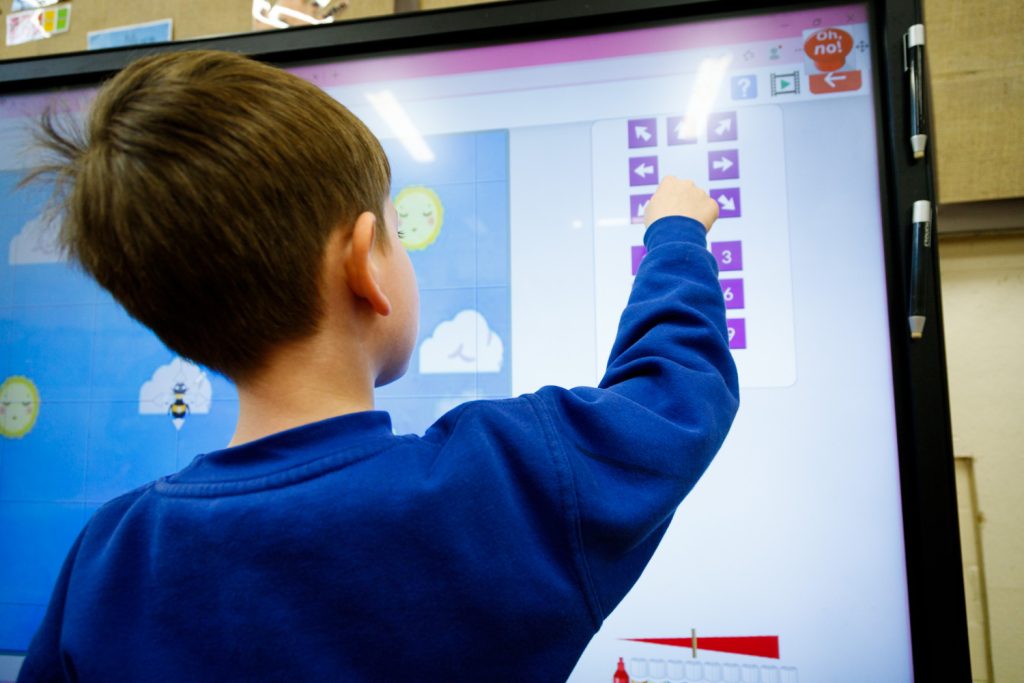
- understand what algorithms are; how they are implemented as programs on digital devices; and that programs execute by following precise and unambiguous instructions
- create and debug simple programs
- use logical reasoning to predict the behaviour of simple programs
- use technology purposefully to create, organise, store, manipulate and retrieve digital content
- recognise common uses of information technology beyond school
- use technology safely and respectfully, keeping personal information private; identify where to go for help and support when they have concerns about content or contact on the internet or other online technologies
In the Foundation Stage, there are no longer any Early Learning Goals for Computing. We believe that children in Reception still need to learn skills to use computer equipment safely and have mapped out how Computing skills can be taught and used to enhance learning through other curriculum areas.
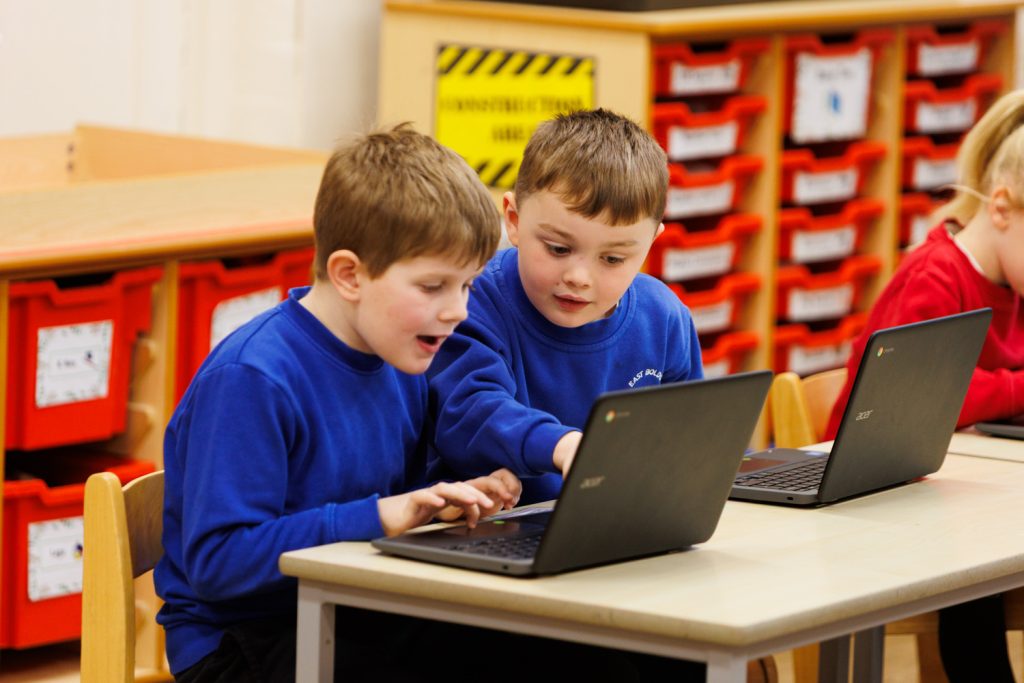
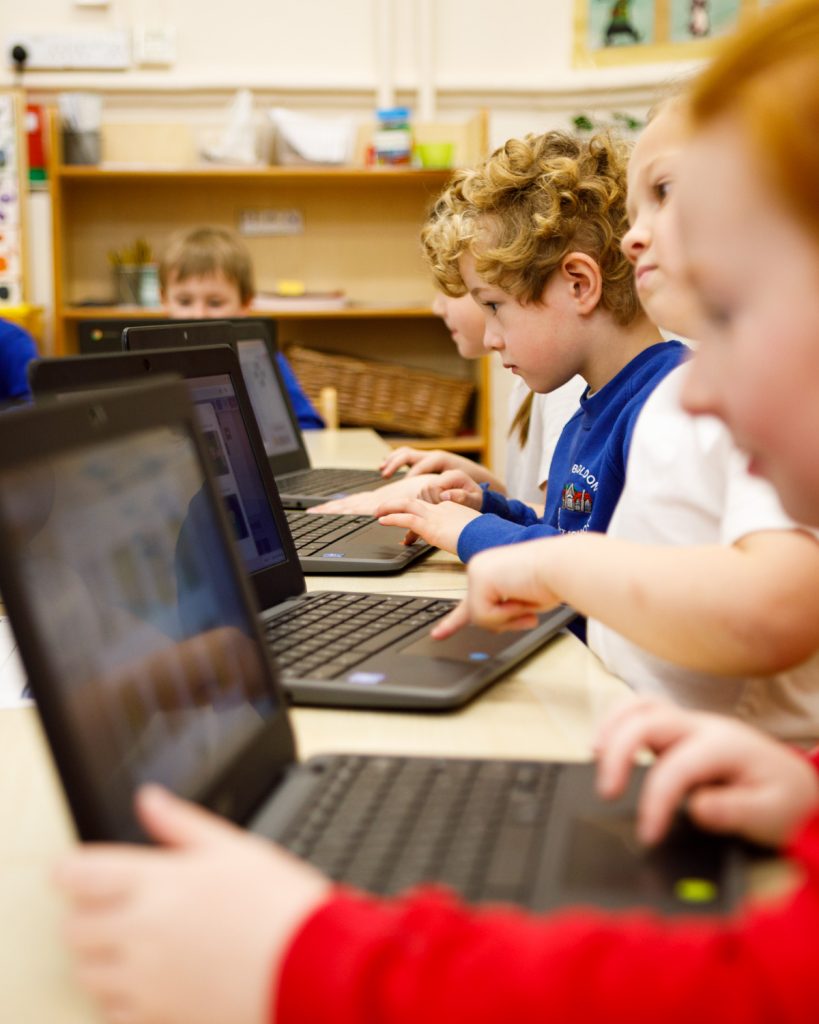
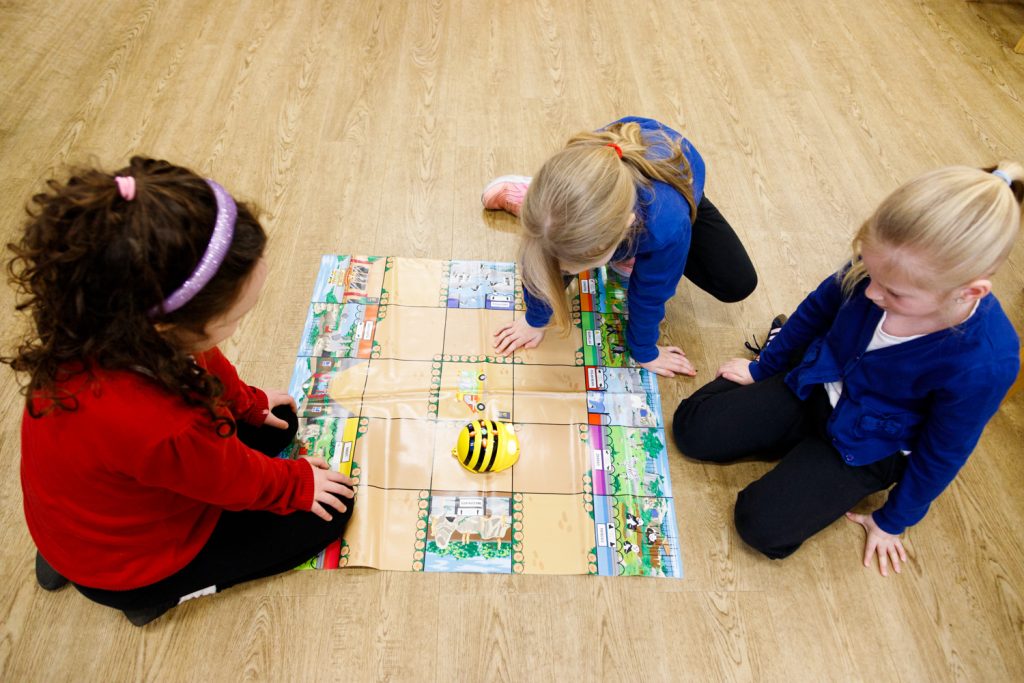
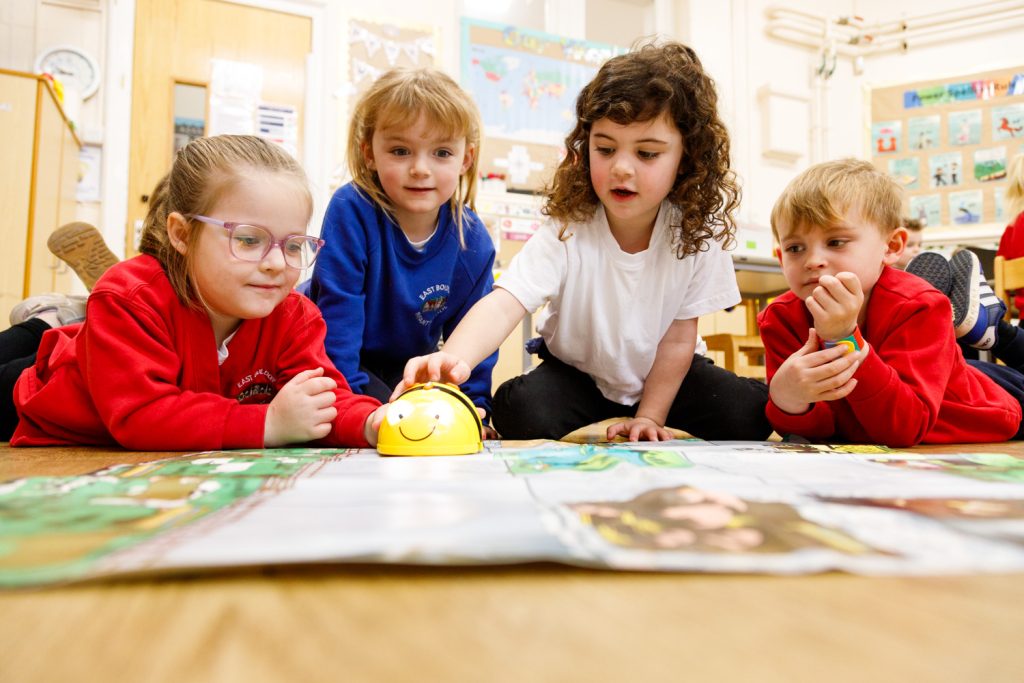
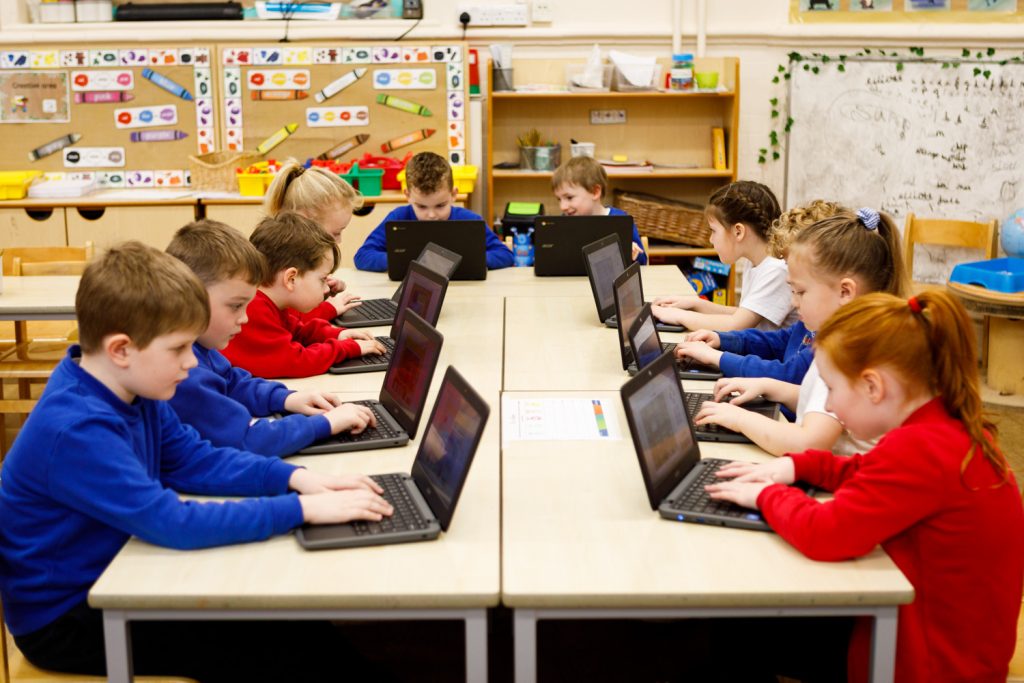
We have a portable computer suite containing laptops and iPads. Each classroom has computers and we have a range of programmable toys. The resources are continually monitored
Health and Safety within Computing in school
Children and staff should be encouraged not to spend an excessive amount of time in front of the computer monitors and should be encouraged to take regular breaks.
The school will follow any guidance issued by the LA.
Equipment and peripherals will be disposed of in an environmentally friendly manner wherever possible. All data will be erased from hard drives and WEE guidelines will be followed.
Access to websites is currently filtered by a heavy duty ‘Firewall’ supplied by the LA. This protects children from accessing any unacceptable or suspicious websites and prevents anyone from gaining access to the school’s network and subsequently to the children themselves. All teachers make children aware of the E-safety rules which should be displayed in all classrooms beside the computers.
The school also operates an Acceptable User Policy for use of the computer network and internet.
Curriculum Impact
Ongoing assessments take place throughout the year. Teachers use this information to inform future lessons; ensuring children are supported and challenged appropriately. This data is analysed on a termly basis by the Subject Lead for Computing to inform and address any trends or gaps in attainment. When assessing staff take into consideration:
- the skills used – facts, rules and principles and the relation between them
- what the child had achieved through using their skills – methods or processes that can performed
Children in Foundation Stage are assessed within Understanding the World and their progress is tracked termly using the Evidence Me tracker system. Age related expectation levels are reported to parents at the end of the reception year.
Across Computing staff will look at ways that the curriculum can be enhanced further.
We work closely with the ICT in Schools team within the Local Authority who provide enhancements to the curriculum delivered by Computing specialists.
Teachers will assess children’s work in Computing by making informal judgements through observations during lessons. On completion of a piece of work, the teacher assesses it, and uses this assessment to plan for future learning. Written or verbal feedback is given to the child to help guide their progress.
Children are assessed at the end of each strand of work to determine progress against expected levels of achievement. We have sufficient resources for all teaching strands in school and this is monitored regularly.
Evidence Me may be used to evidence practical elements of the Computing curriculum
Monitoring of Computing will be carried out in line with our monitoring programme for school. Monitoring will include:
- Lesson observations
- Scrutiny of children’s work and planning
- Tracking of pupil progress
- Use of Assessment Data
- Discussions with pupils – Pupil Voice
- Discussions with staff – Staff Voice
- Monitoring of subject development plans by subject leads
- Link governor visits
Monitoring will in particular include focus on:
- Specific areas linked to the School Improvement Plan
- The lowest 20% of children
- The Pupil Premium children
- The SEND children
- Effective challenge
- Timely adapting to the needs of the children
- Effective use of resources
- Engagement and focus of the children